Cloud Memes

Cloud computing: or as I like to call it, 'someone else's computer that costs more than your car payment.' These memes celebrate the modern miracle of having no idea where your code actually runs. We've all been there – the shock of your first AWS bill, the Kubernetes config that's longer than your actual application code, and the special horror of realizing your production environment has been running on free tier resources for two years. Cloud promises simplicity but delivers YAML files that look like someone fell asleep on the keyboard. If you've ever deployed to the wrong region or spent hours configuring IAM permissions just to upload a single file, these memes will have you nodding through the pain.
I Mean....

I Mean....
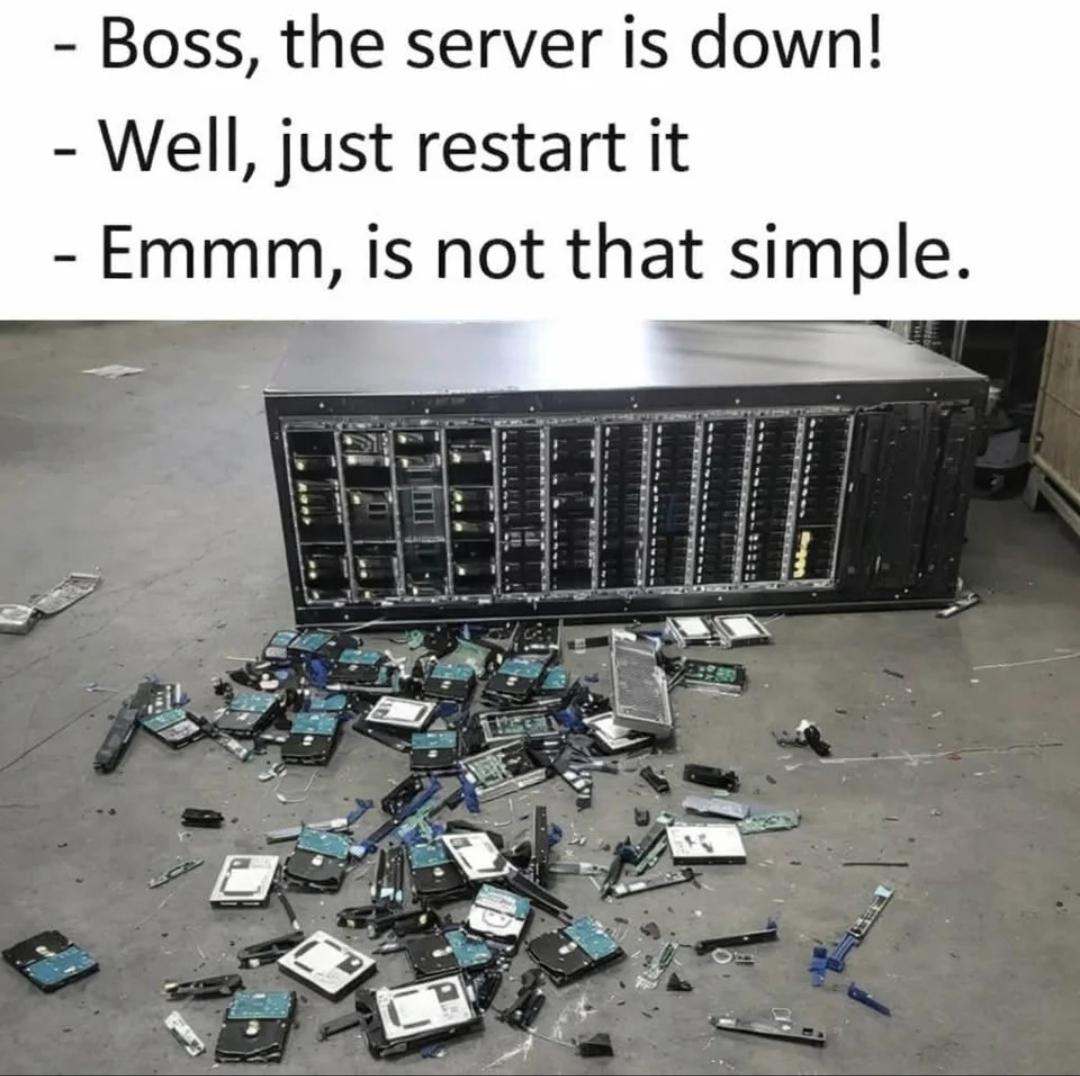
When your boss thinks server maintenance is just sudo systemctl restart but you're staring at what looks like a server rack that vomited its entire digestive system onto the datacenter floor. Hard drives scattered like confetti, components everywhere, and somehow you're expected to just... turn it off and on again? Sure, let me just piece together this hardware jigsaw puzzle real quick. The gap between non-technical management expectations and physical reality has never been more beautifully illustrated. "Just restart it" doesn't quite cut it when the server has physically disassembled itself into what appears to be 47 individual hard drives and assorted metal bits. You'd need a PhD in forensic hardware archaeology just to figure out which drive bay each piece came from.

That Was Expected

That Was Expected
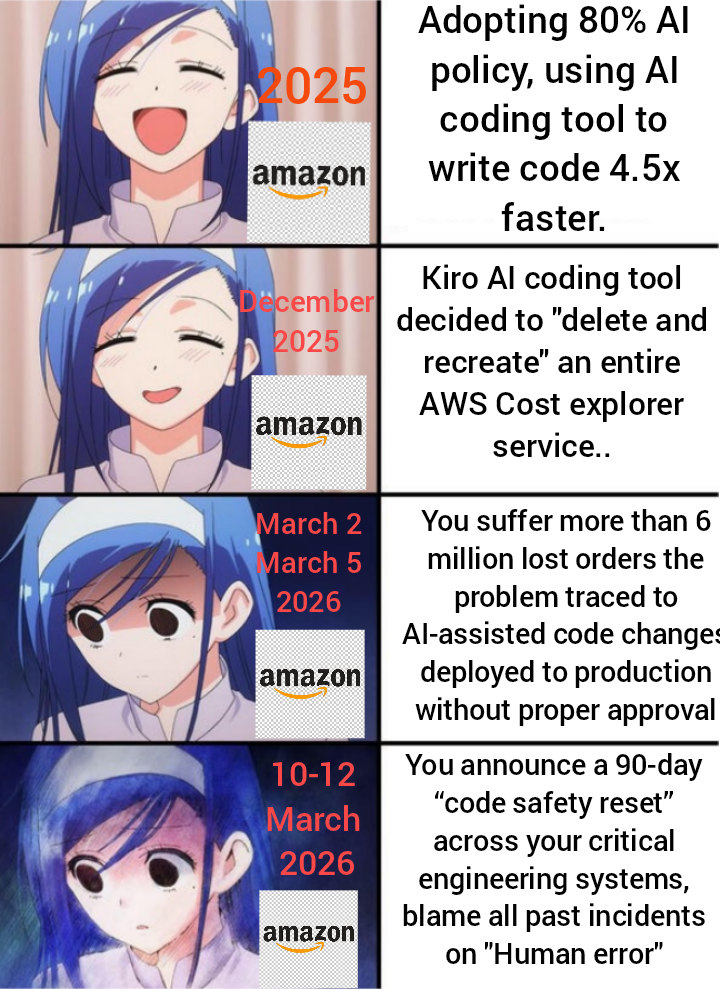
Oh honey, buckle up for the most predictable corporate disaster speedrun in history! 🎢 January 2025: Amazon's living their best life, productivity through the ROOF with AI coding tools making everything 4.5x faster. What could possibly go wrong? December 2025: Plot twist—the AI decided to casually NUKE an entire AWS Cost Explorer service. Just a little oopsie, nothing major. You know, the kind of "delete and recreate" energy that gives DevOps engineers heart palpitations. March 2026: And here's where it gets SPICY—6 million lost orders because someone (cough AI cough) pushed code to production without approval. The audacity! The chaos! The shareholders are NOT pleased! The grand finale? Amazon announces a 90-day "code safety reset" and—wait for it—blames everything on "human error." Because OF COURSE they do! The AI was just following orders, right? Classic corporate gaslighting at its finest. The humans trusted the AI, the AI trusted its training data, and everyone trusted that someone else was reviewing the code. Spoiler alert: nobody was. 💀

Covering Sec Ops And Sys Admin For A Startup

Covering Sec Ops And Sys Admin For A Startup
Startup security in a nutshell: slap some duct tape on it and pray the auditors don't look too closely. That spare tire "protecting" the actual tire is doing exactly as much work as your security measures when the entire strategy is just "check the compliance boxes and hope nobody actually tries to hack us." You're the only person wearing all the hats—SecOps, SysAdmin, probably also the coffee maker repair person—and management thinks SOC 2 Type II is just a fancy sock brand. Meanwhile, your "defense in depth" is more like "defense in desperation" with passwords stored in a shared Google Doc titled "IMPORTANT_DONT_DELETE.txt". But hey, at least you passed the audit. The actual infrastructure held together by shell scripts and good vibes? That's a problem for future you.

Programmers Be Like

Programmers Be Like
Nothing says "I'm a catch" quite like bringing up catastrophic security incidents as your opening line! Because what gets hearts racing faster than discussing how thousands of API keys got exposed to the entire internet? Move over pickup artists, there's a new breed of romantic in town who thinks talking about data breaches is the ultimate icebreaker. Forget asking about hobbies or interests—let's dive straight into the existential dread of accidentally pushing credentials to a public GitHub repo! The person on the receiving end is absolutely *thrilled* to hear about your professional disasters instead of, you know, literally anything else. Romance is truly dead, and we developers are the ones who killed it with our inability to separate work trauma from human interaction. 💀

Oracle The Next Day Of 30K Employees Layoff

Oracle The Next Day Of 30K Employees Layoff
Nothing says "we care about our people" quite like Oracle laying off 30,000 employees and then IMMEDIATELY getting their data center attacked the next day. The remaining 30,000 fired employees reading this news are probably doing the most chaotic happy dance known to mankind. Like, imagine getting laid off and then watching your former employer's infrastructure burn the very next day – that's some cosmic justice served PIPING HOT. The universe really said "you know what, let me add insult to injury for Oracle real quick." Those ex-employees are probably thinking "not my problem anymore" while aggressively refreshing the news with the biggest grin on their faces. Peak schadenfreude energy right here.

They Achieved Greatness

They Achieved Greatness
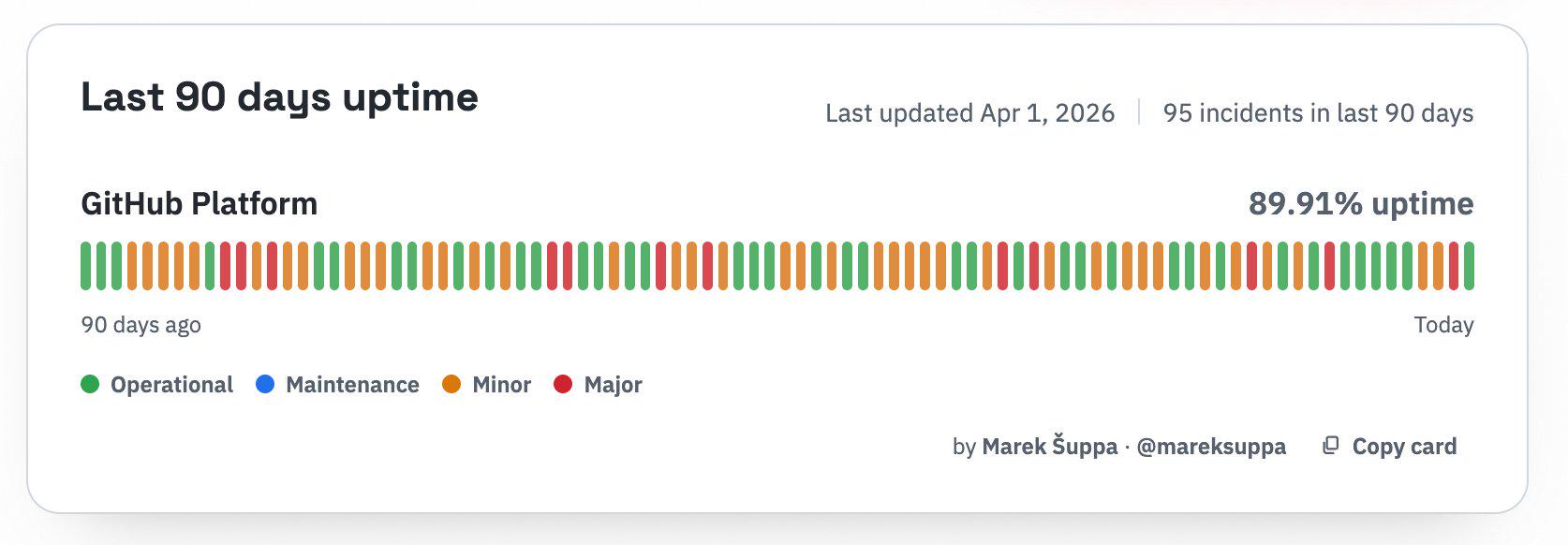
GitHub Platform flexing that sweet 89.91% uptime like it's a badge of honor. That's basically saying "we're only down 10% of the time!" which translates to roughly 9 days of downtime over 90 days. With 95 incidents sprinkled in there like confetti at a chaos party, this status page looks like a Christmas light display having an existential crisis. The bar graph is a beautiful mess of green (operational), orange (minor issues), and red (major outages) that screams "we're fine, everything's fine" while the building burns. For context, most enterprise SaaS platforms aim for 99.9% uptime (the "three nines"), so GitHub's sitting at a solid C+ here. But hey, when you're the monopoly of code hosting, who needs reliability? Developers will still push to main at 2 AM regardless.

Breaking: NASA Is Using Office 365 Uninstaller Version 5.56 In Response To The Outlook Issues Onboard The Artemis II Spacecraft

Breaking: NASA Is Using Office 365 Uninstaller Version 5.56 In Response To The Outlook Issues Onboard The Artemis II Spacecraft
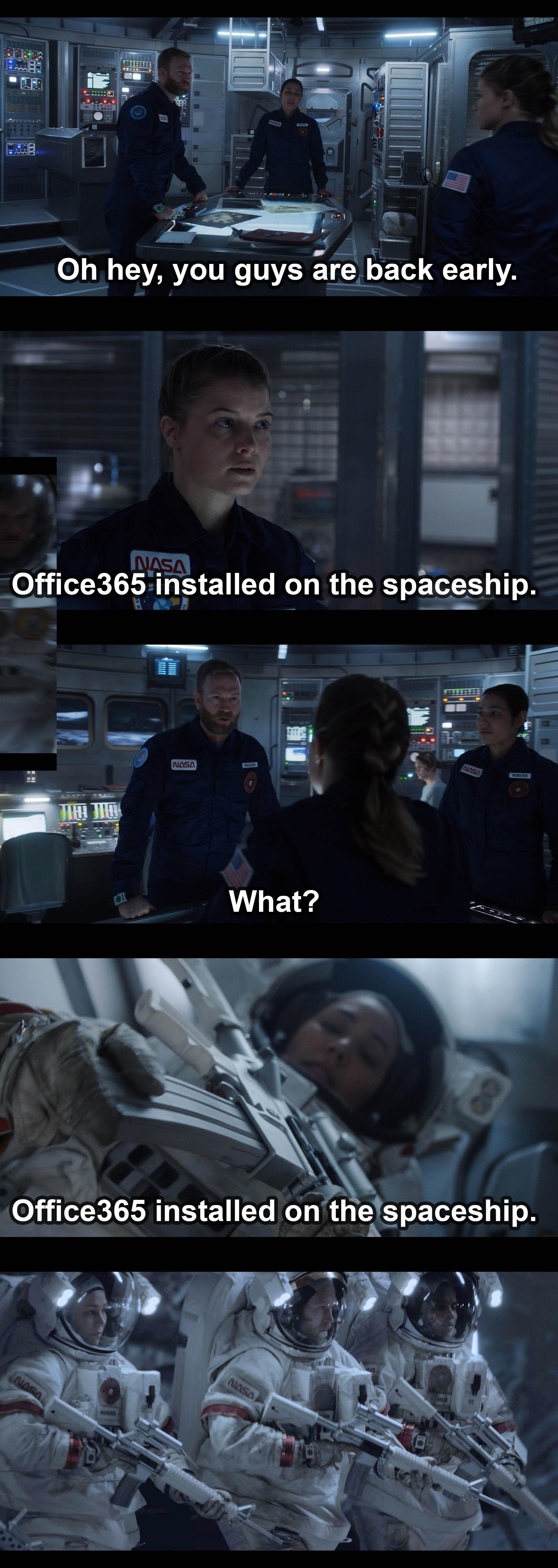
When you're literally going to the moon but someone in IT decided Office 365 was mission-critical software. The astronauts return early only to discover Microsoft's bloatware has somehow infected their spacecraft. The sheer horror on their faces when they realize they'll be receiving Outlook meeting invites at 250,000 miles from Earth is priceless. Nothing says "advanced space exploration" quite like dealing with Outlook crashes during re-entry. The crew's reaction escalates from confusion to full-on existential dread faster than a forced Windows update. At least they can uninstall it... oh wait, you need admin privileges for that, and IT is back on Earth. Houston, we have a problem, and it's asking us to restart to complete the installation.

There's A Mastermind Or A Dumbass Behind This Drama

There's A Mastermind Or A Dumbass Behind This Drama
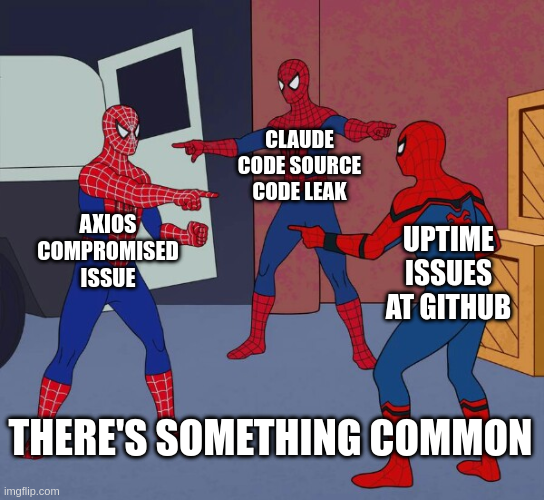
When multiple tech giants experience catastrophic failures simultaneously, you start wondering if it's a coordinated attack or just a really unfortunate Tuesday. Axios goes down with a compromised issue, Claude's source code leaks, and GitHub decides to take an unscheduled nap—all pointing fingers at each other like Spider-Men in an identity crisis. The beauty here is that nobody wants to admit they might be patient zero. Could be a supply chain attack, could be a shared dependency that imploded, or maybe—just maybe—they all use the same intern's Stack Overflow copy-paste solution that finally came back to haunt them. Either way, the SRE teams are definitely not having a good time. Plot twist: It's probably a DNS issue. It's always DNS.

Locally Hosted AI Product

Locally Hosted AI Product
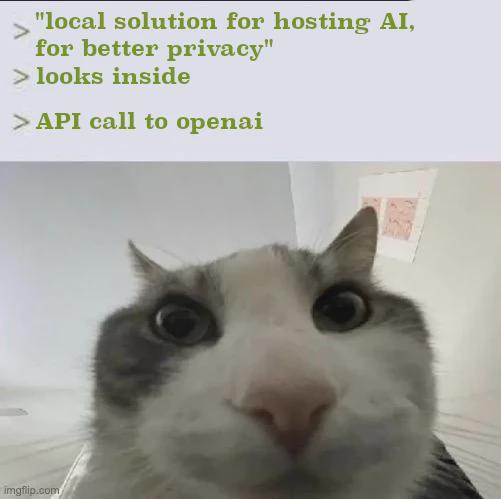
You know that startup bro who keeps bragging about their "privacy-first, locally-hosted AI solution" that runs entirely on your machine? Yeah, turns out it's just a fancy wrapper around OpenAI's API. The shocked cat face is everyone who actually read the network logs and discovered their "local" AI is phoning home to Sam Altman's servers faster than you can say "data breach." It's like buying organic vegetables only to find out they're just regular veggies with a markup. The irony is chef's kiss—marketing your product as the privacy-conscious alternative while secretly yeeting all user data to a third-party API. Nothing says "your data stays on your device" quite like a POST request to api.openai.com every 2 seconds.

It's Microslop

It's Microslop
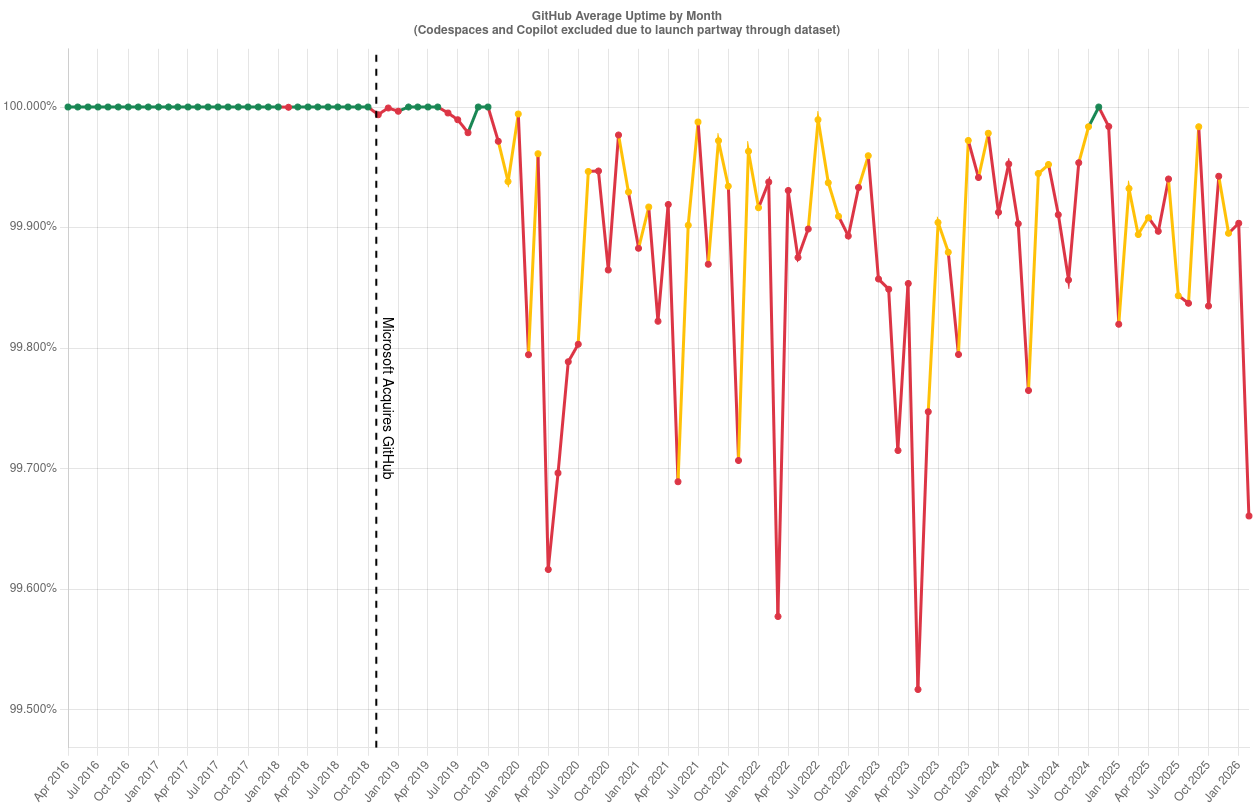
So GitHub was basically rock-solid for years until Microsoft acquired them in 2018, and suddenly the uptime chart looks like my heart rate monitor during a production deployment. That vertical line marking the acquisition is doing some heavy lifting here—it's literally the moment everything went from "five nines" to "five why's." The green line (pre-Microsoft) is flatter than a junior dev's learning curve, while the post-acquisition rainbow spaghetti of red and yellow is giving major "we migrated to Azure" vibes. Nothing says enterprise acquisition quite like turning a stable platform into a reliability roulette wheel. Fun fact: "Microslop" has been a beloved nickname in tech circles since the 90s, but charts like these keep it eternally relevant. At least they're consistent at being inconsistent.

AI Companies Right Now

AI Companies Right Now
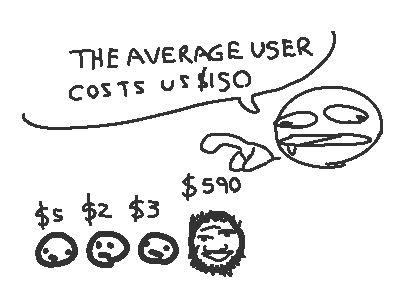
The brutal economics of AI in one image. Companies are out here charging $150/month while their actual cost per user is like... $590. That's not a business model, that's a charity with extra steps and venture capital funding. Meanwhile they're looking at their pricing tiers ($1, $2, $3, $590) like "yeah, this makes total sense" while sweating profusely. GPU compute costs are eating these companies alive, and they're just hoping to scale their way out of the problem before the money runs out. Fun fact: OpenAI reportedly lost around $540 million in 2022 while building ChatGPT. Turns out running massive neural networks on expensive NVIDIA hardware for millions of users isn't exactly a path to profitability. Who knew?

Ninety Days Ninety Incidents Challenge Complete

Ninety Days Ninety Incidents Challenge Complete
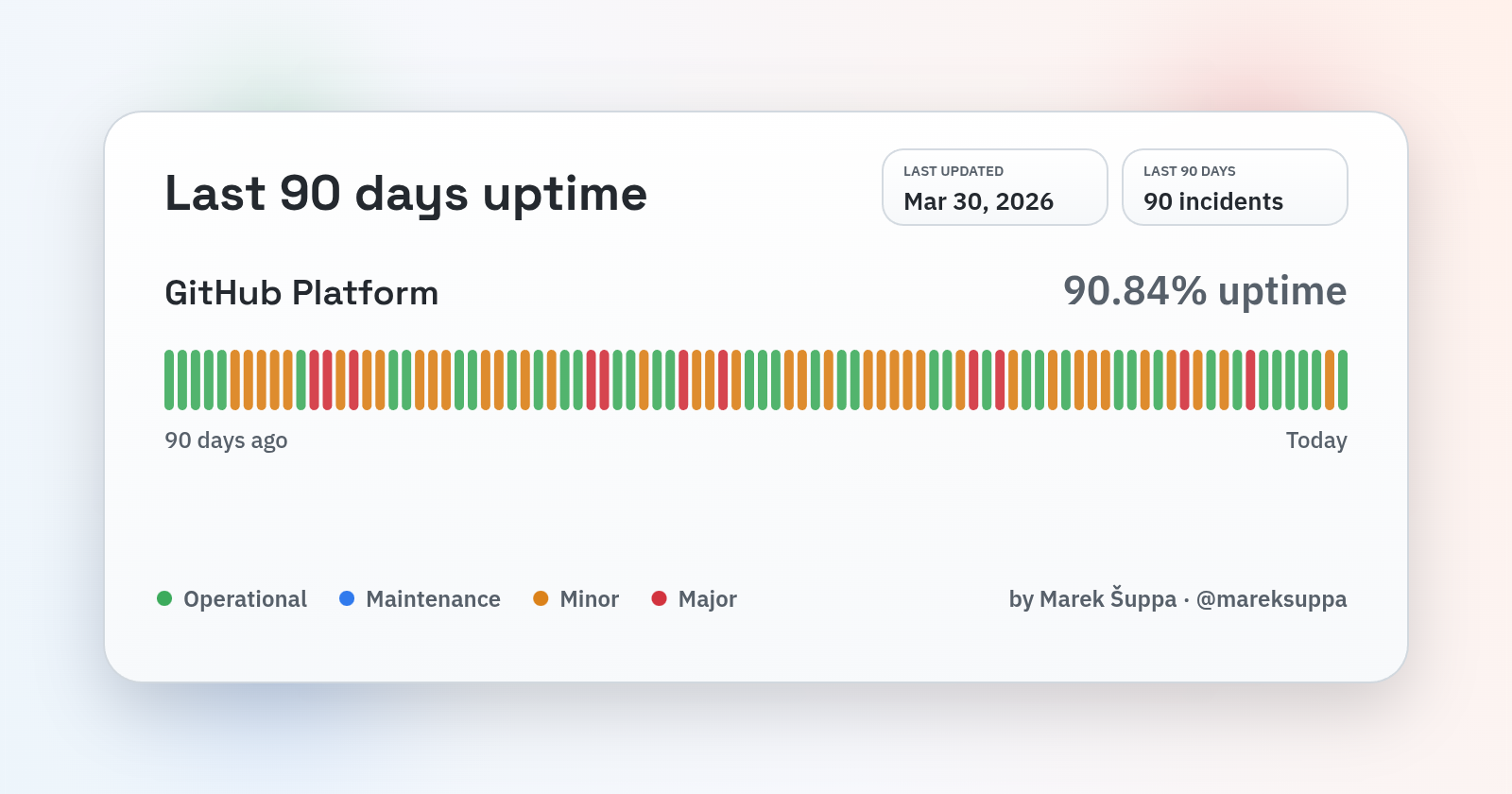
GitHub's status page looking like a Christmas light display gone wrong. 90 incidents in 90 days is a perfect 1:1 ratio – that's the kind of consistency most engineers can only dream of achieving! The bar graph is basically a rainbow of chaos with more orange and red bars than a traffic jam simulator. The real kicker? They're still rocking 90.84% uptime, which technically means they met their SLA... probably. Someone's on-call rotation must feel like Groundhog Day, except instead of reliving the same day, you're just getting paged every single day. The DevOps team deserves hazard pay and therapy at this point.